Bioinformatics | Deep Learning | Drug Discovery
The 21st century is defined by both biology and artificial intelligence. As life science research expands, large-scale biomedical data from genomics, proteomics, and single-cell studies are creating new challenges and opportunities for discovery.
iBiCom Laboratory focuses on the deep integration of AI and life sciences, developing computational methods that combine multi-omics data with machine learning and deep learning to uncover biological mechanisms and support biomedical applications.
Our research spans bioinformatics, AI-driven drug design, systems biology, and intelligent healthcare, with the goal of turning data into actionable biological insight and accelerating precision medicine.
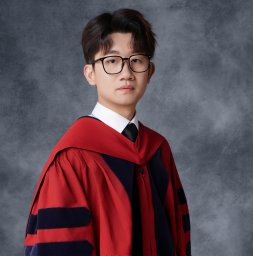
Prof Lantian Yao received his PhD in Computer Science from The Chinese University of Hong Kong in 2025 and is currently an Associate Professor (特聘副教授) at Shenzhen University of Technology.
His work sits at the intersection of AI and bioinformatics, with research interests in machine learning, deep learning, biomedical data analysis, AI-assisted drug design, and precision medicine.
The genes in DNA encode protein molecules, which are the "workhorses" of the cell, carrying out all the functions necessary for life. For example, enzymes, including those that metabolize nutrients and synthesize new cellular constituents, as well as DNA polymerases and other enzymes that make copies of DNA during cell division, are all proteins.
In the simplest sense, expressing a gene means manufacturing its corresponding protein, and this multilayered process has two major steps. In the first step, the information in DNA is transferred to a messenger RNA (mRNA) molecule by way of a process called transcription. During transcription, the DNA of a gene serves as a template for complementary base-pairing, and an enzyme called RNA polymerase II catalyzes the formation of a pre-mRNA molecule, which is then processed to form mature mRNA. The resulting mRNA is a single-stranded copy of the gene, which next must be translated into a protein molecule.

Are you interested in working at the interface between AI and life sciences?
We are looking for talented students, postdocs, and research assistant professors to join our group.
If you want to discuss potential opportunities, contact Prof Lantian Yao.